
Interior Design & Décor
String of Hearts: Elevating Home Aesthetics & Wellness
The string of hearts plant, or Ceropegia woodii, offers elegant trailing foliage perfect for enhancing any interior. Learn how to nurture this beautiful succulent to thrive in your home.


Ever walked into a beautifully designed home and felt an immediate sense of calm and vibrancy? Often, the secret isn’t just the architecture or the furniture, but the thoughtful integration of living elements. The string of hearts plant, with its delicate, heart-shaped leaves cascading elegantly, is an unassuming powerhouse in transforming a space. It’s not just a plant; it’s a design statement that brings life and a touch of biophilic wellness into any room. For homeowners and those embarking on renovation projects, selecting the right greenery can feel overwhelming. Many desire the aesthetic benefits of plants but worry about demanding care routines. The honest answer to this question is that the string of hearts offers a stunning solution, combining visual appeal with surprisingly low-maintenance needs, making it ideal for busy lives in modern, well-built spaces.
Key Takeaways
- The string of hearts (Ceropegia woodii) is a low-maintenance, trailing succulent perfect for enhancing home aesthetics and well-being.
- It thrives in bright, indirect light and requires infrequent but thorough watering, allowing the soil to dry completely between sessions.
- Successful propagation is easy from stem cuttings or tubers, offering a cost-effective way to expand your collection.
- Proper placement in areas like hanging baskets or shelves can soften architectural lines and introduce biophilic design elements.
- Common issues like leggy growth or yellowing leaves are usually simple to resolve with minor adjustments to light or watering.
Understanding the String of Hearts: A Botanical Overview
The string of hearts, scientifically known as Ceropegia woodii, is a flowering plant belonging to the dogbane family, Apocynaceous. Native to South Africa, Eswatini, and Zimbabwe, it’s celebrated for its long, delicate stems adorned with small, heart-shaped leaves. These leaves often display attractive silver marbling on a dark green background, with a purplish underside, especially pronounced in certain light conditions. According to Wikipedia, it’s also known by several common names, including chain of hearts, rosary vine, and hearts-on-a-string. This plant is technically a succulent, meaning it stores water in its leaves and stems, making it quite drought-tolerant. Its natural habitat, characterized by dry, rocky areas, has equipped it with a resilient nature that translates well to indoor environments. This inherent hardiness is a major advantage for homeowners looking for beautiful greenery without a demanding care schedule. The distinctive feature, beyond its heart-shaped foliage, is its ability to produce small, bulbous structures called tubers along its stems. These tubers are key for water storage and propagation, often forming where the stem touches the soil. Understanding this physiological trait is crucial for successful care and propagation, distinguishing it from many other vining houseplants.
Optimal Lighting for Vibrant Growth
The right light is paramount for a thriving string of hearts. It absolutely loves bright, indirect light. Think east-facing windows that get gentle morning sun, or a few feet back from a south or west-facing window. Too much direct, intense sun, especially in the afternoon, can scorch its delicate leaves, turning them pale or crispy. Conversely, too little light will lead to sparse, leggy growth with widely spaced leaves, reducing its visual impact. In real terms, aiming for around 1,000-2,000 foot-candles (10,000-20,000 lux) is ideal, though most people don’t measure light precisely. A good indicator is if you can comfortably read a book in the spot without additional lighting. If your home lacks sufficient natural light, especially during the darker months of the year in 2026, a grow light can be a valuable supplement. Place it a foot or two above the plant for 10–12 hours daily to mimic natural conditions. Worth noting: the variegated string of hearts varieties require slightly more light to maintain their vibrant pink and cream hues. If these colors start to fade, it’s a clear signal to move the plant to a brighter spot.

The Art of Watering: Avoiding Common Pitfalls
Overwatering is the single biggest killer of string of hearts plants. As a succulent, it prefers its soil to dry out completely between waterings. This often means watering every 2–4 weeks, but this can vary dramatically based on your home’s humidity, light levels, and pot size. The wrinkle here: always check the soil moisture before watering. You can do this by sticking your finger about an inch or two into the soil. If it feels dry, it’s time to water. Alternatively, lifting the pot and feeling its weight can also indicate dryness. When it’s time to water, do so thoroughly until water drains from the bottom of the pot. Never let the pot sit in standing water, as this can quickly lead to root rot. During winter, when light levels are lower and the plant’s growth slows, reduce watering frequency even further. It’s always better to underwater slightly than to overwater. Yellowing, mushy leaves are a classic sign of overwatering, while shriveled or crispy leaves usually indicate thirst.
Soil and Potting for Healthy Roots
Proper drainage is non-negotiable for the string of hearts. A well-draining soil mix is crucial to prevent waterlogging and root rot. A standard succulent or cactus mix works perfectly. You can also create your own by mixing equal parts potting soil, perlite, and coarse sand or pumice. This combination ensures aeration and rapid drainage. When it comes to pots, terracotta pots are often a great choice because their porous nature helps wick away excess moisture, further reducing the risk of overwatering. Ensure any pot you choose has drainage holes. As for size, the string of hearts prefers to be slightly root-bound. Only repot when the plant has significantly outgrown its container, typically every 2–3 years. When repotting, choose a pot only one size larger than the current one. Disturb the roots as little as possible. This plant doesn’t require frequent fertilization; a balanced liquid fertilizer diluted to half strength once a month during its active growing season (spring and summer) is usually sufficient. Over-fertilizing can lead to nutrient burn and stunted growth.
Propagating Your String of Hearts
One of the most rewarding aspects of owning a string of hearts is how easily it propagates. You can create multiple new plants from your existing one, perfect for gifting or filling more spaces in your home. There are primarily two effective methods: stem cuttings and tuber propagation.
- Stem Cuttings: This is the most common method. Take a 4-6 inch cutting from a healthy stem, ensuring it has at least 2–3 pairs of leaves. Remove the bottommost leaves. You can root these cuttings in water or directly in soil. For water rooting, place the cut end in a glass of water, changing the water every few days. Roots typically appear within 2–4 weeks. For soil rooting, plant the cutting in a well-draining soil mix, ensuring the nodes where leaves were removed are buried. Keep the soil lightly moist until roots establish.
- Tuber Propagation: The small, pea-like tubers that form along the stems can also be used. Gently detach a tuber and press it lightly onto moist soil. It will eventually sprout new growth and roots. This method is often slower but can yield very solid new plants.
In our experience, covering newly planted soil cuttings with a clear plastic dome or bag can significantly boost humidity, encouraging faster rooting. This is especially useful in drier indoor environments, mimicking a mini-greenhouse effect.

String of Hearts in Interior Design
The trailing habit of the string of hearts makes it an exceptional choice for various interior design applications, especially in modern homes designed with clean lines and open spaces. It excels in softening hard architectural edges and adding a dynamic, organic flow.
| Feature | Standard String of Hearts (C. Woodii) | Variegated String of Hearts (C. Woodii ‘Variegate’) |
|---|---|---|
| Leaf Color | Dark green with silver marbling, purple underside | Green, pink, and cream variegation, vibrant pink underside |
| Growth Rate | Moderate to fast | Slightly slower, needs more light to maintain variegation |
| Light Needs | Bright, indirect light | Bright, indirect light (slightly more intense to maintain color) |
| Aesthetic Impact | Classic, elegant, subtle texture | Vibrant, eye-catching, adds a pop of color |
| Availability | Common | Less common, often higher price point |
Pros of Integrating String of Hearts
- Aesthetic Versatility: Fits seamlessly into minimalist, bohemian, modern, or classic decor styles.
- Space Optimization: Ideal for hanging baskets, high shelves, or macramé hangers, utilizing vertical space.
- Biophilic Benefits: Introduces natural elements, reducing stress and enhancing indoor air quality.
- Low Maintenance: Drought-tolerant and forgiving, perfect for busy homeowners.
- Easy Propagation: Simple to multiply, allowing for economic expansion of your plant collection.
Cons of Integrating String of Hearts
- Light Sensitivity: Requires careful placement to avoid both scorching and leggy growth.
- Overwatering Risk: Highly susceptible to root rot if soil remains too wet, demanding attention to watering habits.
- Slow Initial Growth: Can take time to develop long, dramatic trails, requiring patience.
- Pest Susceptibility: Can attract common houseplant pests like mealybugs if not regularly inspected.
- Fragile Stems: Delicate stems can break easily if mishandled, especially when repotting or moving.
Common Mistakes and Their Solutions
Even with its forgiving nature, the string of hearts isn’t immune to problems. Understanding these common pitfalls can save your plant and ensure its long-term health.
- Overwatering: The most frequent mistake. Symptoms include yellow, mushy leaves and stem rot. Solution: Allow soil to dry out completely between waterings. Ensure excellent drainage.
- Insufficient Light: Leads to leggy growth, widely spaced leaves, and dull color. Solution: Move the plant to a brighter spot with indirect light. Consider a grow light if natural light is inadequate.
- Pests: Mealybugs and scale insects are common. Look for white, cottony masses or small, brown bumps on stems and undersides of leaves. Solution: Isolate the plant. Treat with neem oil spray or rubbing alcohol on a cotton swab.
- Nutrient Deficiency/Excess: Pale leaves can indicate a lack of nutrients, while burnt leaf tips suggest over-fertilization. Solution: Fertilize sparingly during growing season with a diluted, balanced fertilizer.
- Lack of Humidity: While tolerant of dry conditions, extremely low humidity can cause leaf crisping. Solution: Mist occasionally or place near a humidifier, though typically not a major concern for this succulent.
Expert Tips for a Lush Display
Achieving that dense, cascading look with your string of hearts isn’t just about basic care; it involves a few expert insights that can dramatically improve its appearance. One key tip is regular pruning. Don’t be afraid to trim back leggy stems. This not only encourages bushier growth at the top of the plant but also provides you with cuttings for propagation. Pinching off the growing tips can force the plant to branch out, creating a fuller crown rather than just a few long strands. Also, occasionally rotating your plant ensures even light exposure on all sides, preventing one-sided growth and promoting symmetry. Another often overlooked aspect is air circulation. Good airflow helps prevent fungal issues and deters pests. While the string of hearts appreciates humidity, stagnant, humid air around its base can be detrimental. Placement near an open window or a gentle fan can make a difference. In my years working with residential interior plantscaping, I’ve found that placing string of hearts in a prominent, well-lit position, like a custom-built shelf or a hanging planter near a kitchen window, significantly boosts its visual impact and a homeowner’s satisfaction.

Frequently Asked Questions
How often should I water my string of hearts?
Water your string of hearts only when the soil has completely dried out. This typically means every 2–4 weeks, but always check the soil moisture with your finger before watering. Overwatering is a common mistake and can lead to root rot, so err on the side of caution.
What type of soil is best for string of hearts?
A well-draining soil mix is essential for string of hearts. Use a specialized succulent or cactus potting mix, or create your own by combining regular potting soil with perlite and coarse sand. This ensures proper aeration and prevents water from pooling around the roots.
Can string of hearts tolerate direct sunlight?
While string of hearts enjoys bright conditions, it generally prefers indirect sunlight. Intense, direct afternoon sun can scorch its delicate leaves, causing them to fade or crisp. Morning sun is usually fine, but protect it from harsh midday or afternoon rays.
Why are my string of hearts leaves turning yellow?
Yellowing, mushy leaves are a strong indicator of overwatering, which can lead to root rot. Alternatively, pale or yellowing leaves can also suggest insufficient light. Assess your watering habits and light exposure to diagnose and correct the issue effectively.
How do I make my string of hearts grow fuller?
To encourage a fuller, bushier string of hearts, regularly prune leggy stems and pinch back the growing tips. This stimulates the plant to produce new growth from existing nodes, leading to a denser appearance. You can also coil longer stems back onto the soil surface to encourage rooting.
Is string of hearts toxic to pets?
According to the ASPCA, Ceropegia woodii (string of hearts) is considered non-toxic to cats and dogs. This makes it a popular and safe choice for households with pets, allowing you to enjoy its beauty without worrying about accidental ingestion by your furry friends.
Conclusion
The string of hearts is more than just a houseplant; it’s a versatile, low-maintenance living accent that can profoundly impact the aesthetic and feel of any home. Its elegant trails and delicate heart-shaped leaves offer a unique opportunity to integrate biophilic design elements, fostering a sense of calm and natural beauty within your built environment. By understanding its simple needs for bright, indirect light and careful watering, you can ensure this beautiful succulent thrives, adding enduring charm and a touch of green sophistication to your space. Consider incorporating the string of hearts into your next home design or renovation project – it’s an easy way to elevate your interior, creating a more inviting and vibrant atmosphere. Information current as of August 2026; pricing and product details may change.





Interior Design & Décor
Areca Palm: Your Indoor Greenery for Lasting Home Appeal
Transform your living space with the elegant areca palm. This guide covers everything from ideal placement to advanced care, ensuring your indoor palm thrives and enhances your home’s aesthetic for years.
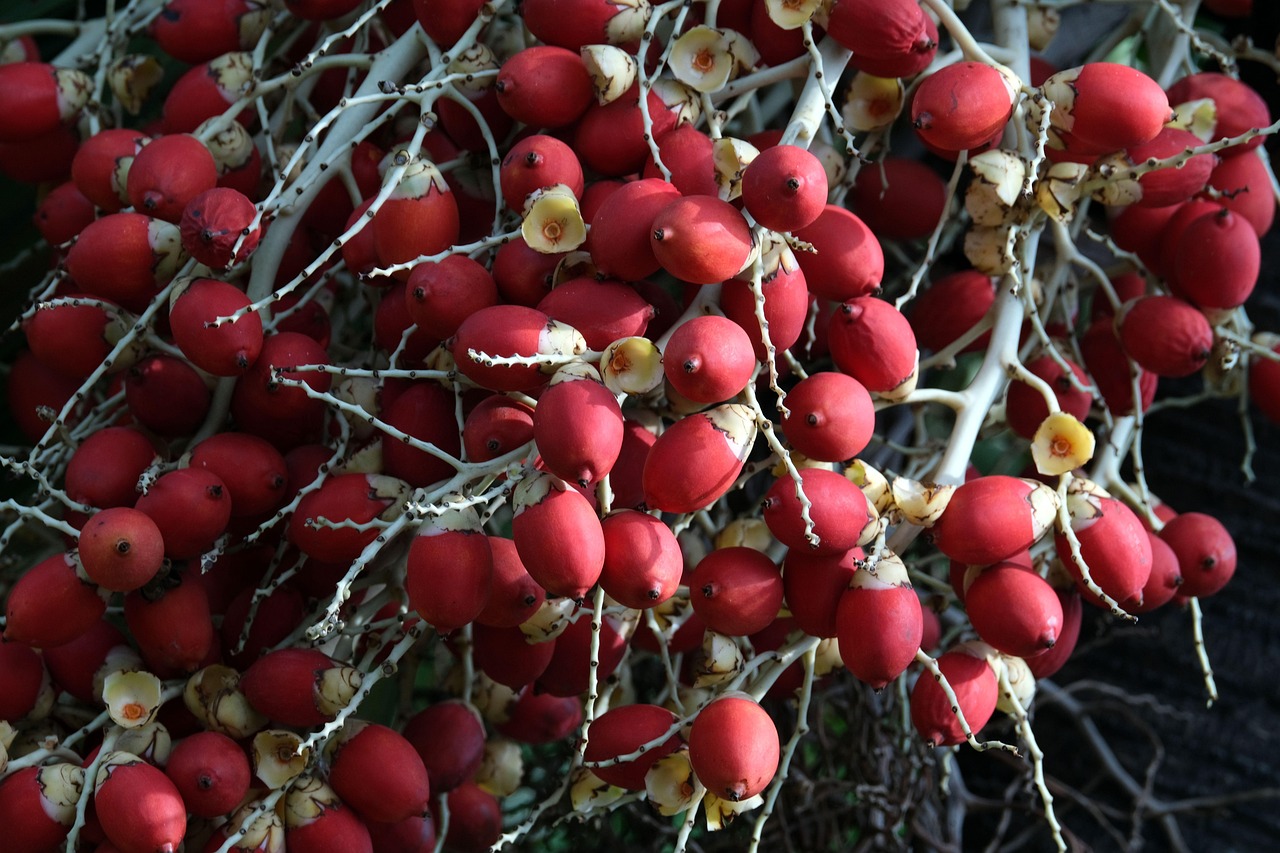
Imagine walking into a room that immediately feels calmer, brighter, and more inviting, often anchored by a stunning, living green centerpiece. This isn’t just about aesthetics; it’s about creating an environment that breathes with you. The honest answer to bringing that feeling home often starts with the right plant, and for many, the elegant areca palm is the undisputed champion. Most homeowners spend significant effort on furniture and paint, overlooking how a strategically placed, thriving plant can dramatically elevate a space. The areca palm, known scientifically as Dypsis lutescens, offers that perfect blend of beauty, air-purifying qualities, and a relatively straightforward care routine that makes it a favorite for both seasoned plant enthusiasts and first-time indoor gardeners.
Key Takeaways
- Areca palms thrive in bright, indirect light and consistent, moderate watering.
- High humidity is crucial for preventing brown leaf tips, a common issue.
- Choose your palm based on your room’s natural light and available space, planning for its mature size.
- Regular feeding during growing seasons supports lush, green foliage.
- Proper pruning and repotting are key to managing its growth and maintaining health over years.
Areca Palm: A Staple for Interior Greenery
The areca palm, often referred to as the butterfly palm due to its gracefully arching fronds, hails from the tropical forests of Madagascar. It’s lauded for its feathery, light green foliage that adds a touch of the exotic to any indoor setting. Beyond its aesthetic appeal, it’s a popular choice for its relatively easy care compared to some other tropical houseplants, provided you understand its core needs. It’s a plant that signals a well-cared-for home, often being the first thing guests notice. Its ability to grow into a substantial size indoors (often 6–8 feet tall) makes it an excellent choice for filling vertical space and creating a natural focal point, especially in rooms with higher ceilings or open-plan designs. This makes it a go-to for designers at B Collins Construction.
Choosing Your Areca Palm: Size, Variety, and Placement
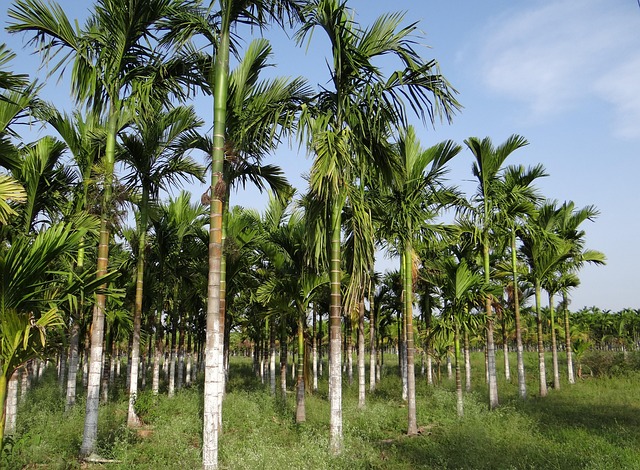
Selecting the right areca palm isn’t just about picking the prettiest one; it involves matching the plant’s potential growth to your living space. Consider the mature height and spread, which can reach up to 10 feet indoors under optimal conditions, though most maintain a more manageable 6–8 feet. When buying, look for a plant with vibrant green fronds, no visible pests, and a strong, upright growth habit. Avoid palms with extensive yellowing or brown tips, as these can indicate stress or underlying issues. A key consideration for homeowners and renovators is placing the palm where it receives bright, indirect light. A spot near an east or west-facing window is often ideal, filtering harsh midday sun through sheer curtains. Avoid direct afternoon sun, which can scorch the delicate fronds.
The Essential Elements: Light, Water, and Humidity
Providing the correct environmental conditions is paramount for your areca palm to flourish. Getting these three elements right prevents most common problems. Light: As mentioned, bright, indirect light is key. Too little light leads to sparse growth and pale fronds, while too much direct sun can cause sunburn, evidenced by bleached or brown spots. Rotate your palm occasionally to ensure even light exposure. Water: Areca palms prefer consistently moist, but not waterlogged, soil. Allow the top inch or two of soil to dry out between waterings. Overwatering is a common killer, leading to root rot. In real terms, this might mean watering once a week during warmer months and every two weeks in winter, but always check the soil first. Humidity: These tropical plants crave high humidity. Dry air, especially prevalent in heated or air-conditioned homes, is the primary culprit behind brown leaf tips. Aim for 50-70% humidity. You can achieve this with a pebble tray, regular misting, or by placing a humidifier nearby. Worth noting, grouping plants together also naturally increases local humidity.
Optimizing Soil and Nutrition for Thriving Palms
The right foundation makes all the difference for your areca palm’s long-term health. A well-draining potting mix is non-negotiable. A good quality peat-based potting mix amended with perlite or sand for improved drainage works well. The wrinkle here: areca palms prefer a slightly acidic pH, typically between 6.0 and 7.0. A mix formulated for palms or houseplants is usually suitable. Fertilize your areca palm every 1–2 months during the growing season (spring and summer) using a balanced liquid fertilizer formulated for palms, often with an N-P-K ratio like 8-2-12. Reduce feeding in fall and winter when growth slows. Over-fertilization can burn roots, so always follow product instructions carefully.
Long-Term Care: Pruning, Repotting, and Growth Management
Maintaining the size and shape of your areca palm, especially in a fixed indoor space, requires proactive management. Pruning is primarily for aesthetics and health. Remove any yellow, brown, or dead fronds as they appear. Use clean, sharp shears to cut them close to the main stem. Avoid cutting green fronds, even if they look a little sparse, as they are still photosynthesizing and contributing to the plant’s energy. This is a common mistake that can stunt growth. Repotting is typically needed every 2–3 years, or when the plant becomes root-bound. Signs include roots growing out of drainage holes or water running straight through the pot. When repotting, choose a pot only one size larger (e.g., from 10-inch to 12-inch) to prevent the soil from holding too much moisture. Always use fresh potting mix. In my years working in home design and renovation, I’ve seen many beautiful palms decline from being left in too small a pot for too long, restricting root development and water uptake.

Tackling Common Areca Palm Challenges
Even with the best care, areca palms can encounter issues. Knowing how to diagnose and treat them promptly is essential. Brown Leaf Tips: Almost always a sign of low humidity, inconsistent watering, or fluoride in tap water. Increase humidity, ensure consistent moisture, and consider using distilled or filtered water. According to horticultural experts, fluoride can accumulate in leaf tips and cause browning. Yellowing Leaves: This can indicate overwatering, underwatering, or nutrient deficiency (especially magnesium or potassium). Check soil moisture first. If consistently wet, reduce watering. If dry, water more frequently. If watering is consistent, a palm-specific fertilizer with micronutrients can help. Pests: Areca palms are susceptible to spider mites, mealybugs, and scale insects. Inspect your plant regularly, especially the undersides of leaves. For minor infestations, wipe leaves with a damp cloth. For more severe cases, use an insecticidal soap or neem oil solution, applied according to product directions.
Areca Palms as Air Purifiers: Fact vs. Fiction
The areca palm is often cited for its air-purifying capabilities, a claim rooted in the famous 1989 NASA Clean Air Study. This study found that several houseplants, including the areca palm, could remove common indoor air toxins like formaldehyde, xylene, and toluene. While the study’s findings are scientifically sound, the practical impact in a typical home environment is often overstated. The NASA study was conducted in a sealed chamber, a far cry from a leaky, ventilated home. For a significant impact, you would need a very large number of plants relative to the room size. However, this doesn’t diminish the overall benefits. Even a few plants can contribute to a healthier indoor environment and certainly boost well-being. Consider them a pleasant bonus, not a sole solution for air quality.

Integrating Areca Palms into Your Home Design
From a construction and interior design perspective, areca palms are incredibly versatile. Their upright, yet airy, form makes them suitable for various architectural styles, from minimalist modern to bohemian chic. They excel in corners, softening sharp lines, or as a natural divider in open-plan living areas. For new builds or renovations, consider integrating recessed lighting directly above or near the palm’s location to highlight its form and provide necessary light during darker months. Protecting flooring from water damage is critical; always use a saucer or cachepot. Water in Crawl Space: Identify, Fix, and Prevent Damage Worth noting, for high-traffic areas, ensure the palm’s fronds don’t obstruct pathways, as constant brushing can damage the leaves. Their visual impact is significant, making them a relatively affordable way to add luxury and life to a space.
Common Mistakes to Avoid with Your Areca Palm
While generally forgiving, areca palms can suffer from a few common missteps that are easy to correct once you know them. One prevalent mistake is inconsistent watering. Letting the soil dry out completely, then drowning it, creates stress. Aim for a consistent moisture level. Another is placing the palm too close to heating or cooling vents, which can blast it with dry air, leading to brown tips. Using the wrong size pot is also critical. A pot that’s too large holds excessive moisture, leading to root rot. Conversely, a pot that’s too small restricts growth and requires constant watering. Choose a pot that allows for about 1–2 inches of space around the root ball when repotting.
Expert Tips for a Thriving Areca Palm
Beyond the basics, a few expert insights can help your areca palm truly flourish and stand out. For optimal growth, consider using filtered water or letting tap water sit for 24 hours to allow chlorine to dissipate. This can significantly reduce brown leaf tips. Also, maintain a consistent room temperature between 65-75°F (18-24°C), avoiding sudden drops or drafts. Regularly cleaning the fronds with a soft, damp cloth removes dust, allowing the plant to photosynthesize more efficiently and preventing pest buildup. This small act makes a big difference in both appearance and health. From a builder’s perspective, planning for the palm’s needs from the outset, especially regarding light and humidity, prevents costly issues down the line.
| Feature | Areca Palm (Dypsis lutescens) | Kentia Palm (Howea forsteriana) | Majesty Palm (Ravenea rivularis) |
|---|---|---|---|
| Light Needs | Bright, indirect | Low to medium, indirect | Bright, direct to indirect |
| Watering | Consistently moist, top 1–2″ dry | Allow top 2–3″ to dry | Consistently moist, prone to thirst |
| Humidity | High (50-70%) | Moderate to high | Very high (70%+) |
| Growth Rate | Moderate to fast | Slow to moderate | Fast (needs more light/water) |
| Common Issues | Brown tips (low humidity), spider mites | Slow growth, mealybugs | Yellowing (nutrient def.), spider mites, high maintenance |
| Overall Care | Moderate | Easy | High |
Pros of Areca Palm
- Adds significant aesthetic value with lush, feathery fronds.
- Contributes to indoor air quality, albeit modestly.
- Relatively fast growth fills space quickly.
- Pet-friendly and non-toxic to cats and dogs.
- Adaptable to a range of indoor environments with proper care.
Cons of Areca Palm
- Requires consistent high humidity to prevent brown leaf tips.
- Sensitive to overwatering and fluoride in tap water.
- Can attract spider mites if humidity is too low.
- Needs bright, indirect light; struggles in low-light conditions.
- Can grow quite large, requiring space and occasional repotting.

Frequently Asked Questions
How often should I water my areca palm?
Water your areca palm when the top 1-2 inches of soil feel dry to the touch. This typically means once a week in summer and less frequently in winter, but always check the soil moisture before watering to prevent over or under-watering.
Why are the tips of my areca palm leaves turning brown?
Brown leaf tips are most commonly caused by low humidity, inconsistent watering, or the presence of fluoride and chlorine in tap water. Increasing humidity, maintaining consistent soil moisture, and using filtered water can help prevent this issue.
Is the areca palm safe for pets?
Yes, the areca palm (Dypsis lutescens) is generally considered non-toxic to cats and dogs, making it a safe choice for homes with pets. However, it’s always best to discourage pets from chewing on any houseplant.
What kind of soil does an areca palm need?
Areca palms thrive in a well-draining, peat-based potting mix that retains some moisture but allows excess water to escape. A mix formulated for palms or general houseplants, often amended with perlite or sand, is ideal.
How tall can an areca palm grow indoors?
Indoors, areca palms typically grow to a height of 6 to 8 feet, though with optimal care and sufficient space, they can occasionally reach up to 10 feet. Their growth rate is moderate, allowing for gradual integration into your home’s design.
When is the best time to repot an areca palm?
The best time to repot an areca palm is in spring or early summer, just before its active growing season begins. Repot every 2-3 years, or when you notice signs of the plant being root-bound, such as roots circling the pot or emerging from drainage holes.
Conclusion
The areca palm offers a vibrant, living accent that can truly transform any indoor space, combining aesthetic appeal with modest air-purifying qualities. By understanding its specific needs for bright, indirect light, consistent watering, and high humidity, you can ensure your palm not only survives but thrives. For anyone looking to introduce a touch of the tropics and lasting green elegance into their home, the areca palm is a worthwhile and rewarding choice. Prioritize its environment from day one, and it will reward you with years of lush, vibrant foliage. Information current as of August 2026; pricing and product details may change.

Asiatic Lily Care: Avoiding Common Mistakes for Vibrant Blooms

Fountain Grass: A Guide to Graceful Garden Design

Gerbera Daisies: Vibrant Blooms for Your Home & Garden

Choosing Expert Foundation Repair Companies for Your Home

Bouncy Floors: Diagnosing Sagging & Stiffening Joists

Nellie Stevens Holly Planting: Your Guide to a Resilient Evergreen
-
 Repairs & Maintenance2 months ago
Choosing Expert Foundation Repair Companies for Your Home
-
 Repairs & Maintenance2 months ago
Bouncy Floors: Diagnosing Sagging & Stiffening Joists
-
 Outdoor & Garden2 months ago
Nellie Stevens Holly Planting: Your Guide to a Resilient Evergreen
-

 Tools & Materials2 months ago
Bolt Cutters: Your Essential Guide to Heavy-Duty Cutting
-

 Home Improvement2 months ago
The Two Grades of Home: Condition and Land
-

 Outdoor & Garden2 months ago
Brush Cutter Essentials: Clearing Overgrown Land Effectively
-

 Home Improvement2 months ago
Water Softener Costs: Your Investment Guide
-

 Home Improvement2 months ago
Water in Crawl Space: Identify, Fix, and Prevent Damage